Diluted EPS What Is It, Formula, Vs Basic EPS

The number of shares outstanding directly influences the market capitalization of a company. By using a weighted average to account for changes in share count, investors can make more accurate comparisons between companies or periods. When a company issues new shares, the total number of outstanding shares increases. If the issuance occurs partway through a reporting period, the weighted average calculation will adjust the number of shares outstanding based on how long the new shares were in circulation.
Video Explanation of Earnings Per Share Formula (EPS)
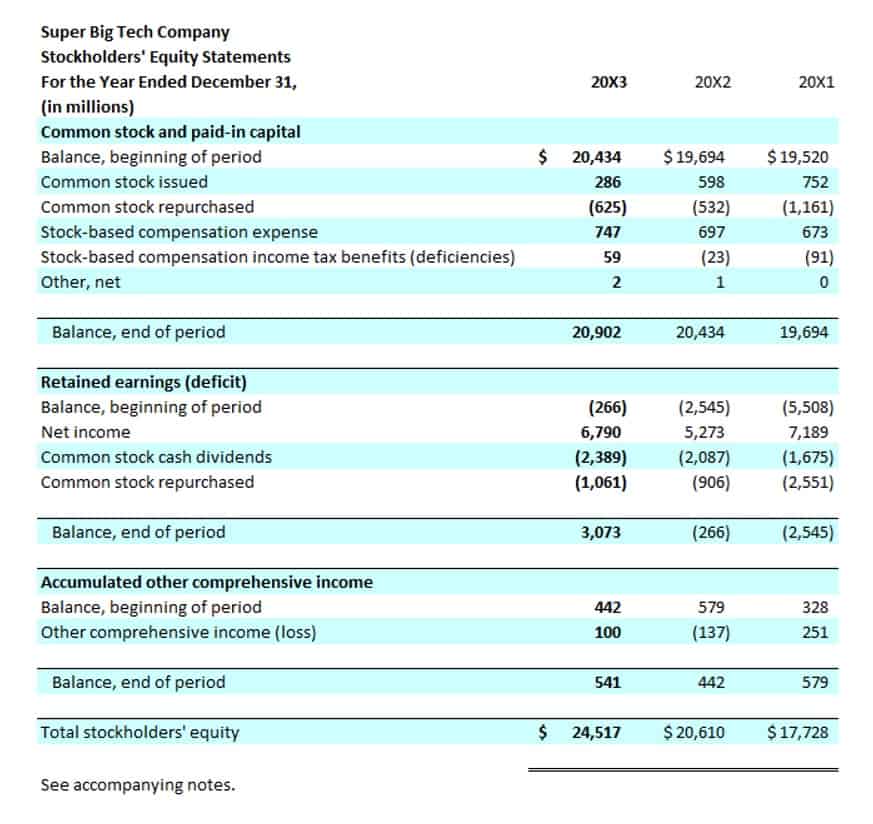
Earnings Per Share (EPS) is one of the most important financial metrics affected by the weighted average of outstanding shares. EPS is calculated by dividing a company’s net income by the weighted average number of shares outstanding. How to Run Payroll for Restaurants As the number of shares outstanding changes throughout the period, it can significantly affect the reported EPS.
4.1.3A Redemption, induced conversion, or certain modifications of equity–before adoption of ASU 2020-06
In the diluted EPS calculation process, the items that are deducted are preferred stock dividend because the holders of preference shares have a priority over the common shareholders while dividend is distributed. The weighted average of the number of shares that are diluted, takes into consideration the potential dilution of the stock options and other convertible securities. The formula in the table above calculates the basic EPS of each of these select companies. Basic EPS does not factor in the dilutive effect of shares that could be issued by the company. When the capital structure of a company includes items such as stock options, warrants, or restricted stock units (RSU), these investments—if exercised—could increase the total number of shares outstanding in the market. The first formula uses total outstanding shares to calculate EPS, but in practice, analysts may use the weighted average shares outstanding when calculating the denominator.
How To Calculate?

Diluted EPS weighted average number of common shares outstanding formula also includes the impact of dilutive securities, such as stock options and warrants, that might eventually “turn into” common shares. Both IFRS and US GAAP require a company to present its earnings per share (EPS) on the face of the income statement for net profit or loss (net income) and profit or loss (income) from continuing operations. The calculation of EPS, however, depends on whether the company has a simple or complex capital structure.

- The first formula uses total outstanding shares to calculate EPS, but in practice, analysts may use the weighted average shares outstanding when calculating the denominator.
- While WASO provides valuable insights, it should not be the sole metric in assessing a company’s health.
- This metric reflects the time-weighted impact of all share issuances and repurchases during the reporting period.
- This insight helps in making more informed decisions about a company’s financial health and potential.
- Some data sources simplify the calculation by using the number of shares outstanding at the end of a period.
- You should take into account all of the financial information available to make an investment decision.
- Comparing basic EPS to diluted EPS, accounting for potentially dilutive securities, provides comprehensive insights.
The weight https://allenperu.com/depreciation-and-amortization-journal-entry-with/ given to such number can either be a time proportionate or a proportionate of any variant that is causing such a change. These shares are held in the corporation’s “treasury” rather than in circulation and are therefore excluded from the number of outstanding shares. Public companies are required to report their number of shares outstanding in their quarterly and annual disclosures to the Securities & Exchange Commission. Among investors, it is most relevant to those who compile a position in a stock over a long period of time, buying on the dips and holding the shares. It is also used by equity investors as a key indicator of profitability (not cash!) accruing to their investment.
How Often is the Weighted Average of Shares Outstanding Calculated?
This article explores what the weighted average number of shares means, how it is calculated, how different share transactions affect it, and why it is critical for proper financial reporting under both U.S. Share buybacks reduce the number of outstanding shares and must be factored into the calculation from the buyback date. Regulatory frameworks, such as SEC Rule 10b-18, outline conditions for executing buybacks, helping companies avoid inflating EPS through reductions in share count. Below is a break down of subject weightings in the FMVA® financial analyst program. As you can see there is a heavy focus on financial modeling, finance, Excel, business valuation, budgeting/forecasting, PowerPoint presentations, accounting and business strategy.
Everything You Need To Master Financial Modeling
- By knowing how to calculate it accurately and understanding its importance in financial analysis and decision-making processes will help investors assess companies more effectively and make profitable investment choices.
- The Weighted Average Number of Shares is a foundational concept in financial reporting.
- Many articles and online sources describe EPS in relation to accounting and valuation, but in real life, it’s the most useful for assessing mergers and acquisitions.
- As you can see, the weighted average shares outstanding is calculated by summing up the weighted average share calculations for each period.
What counts as a good EPS will depend on factors such as the recent performance of the company, the performance of its competitors, and the expectations of the analysts who follow the stock. Sometimes, a company might report growing EPS, but the stock might decline in price if analysts were expecting an even higher number. Otherwise, there is the risk that the EPS figure will be inflated by ignoring the potentially dilutive impacts of such issued securities, which can cause the metric to be misleading (and possibly overstated). Assuming that enough side diligence was conducted, the vast majority of rational investors are willing to pay a higher price for companies with a solid track record of consistent profitability.
5.2 Participating securities

These issued shares must be incorporated into the weighted average from the date of issuance. Similarly, employee stock compensation plans, which may issue shares based on vesting periods, also affect share count and require careful consideration. The “weighted” part of the term implies that different time periods, where the number of shares may vary, are accounted for in proportion to how long those shares were outstanding.